
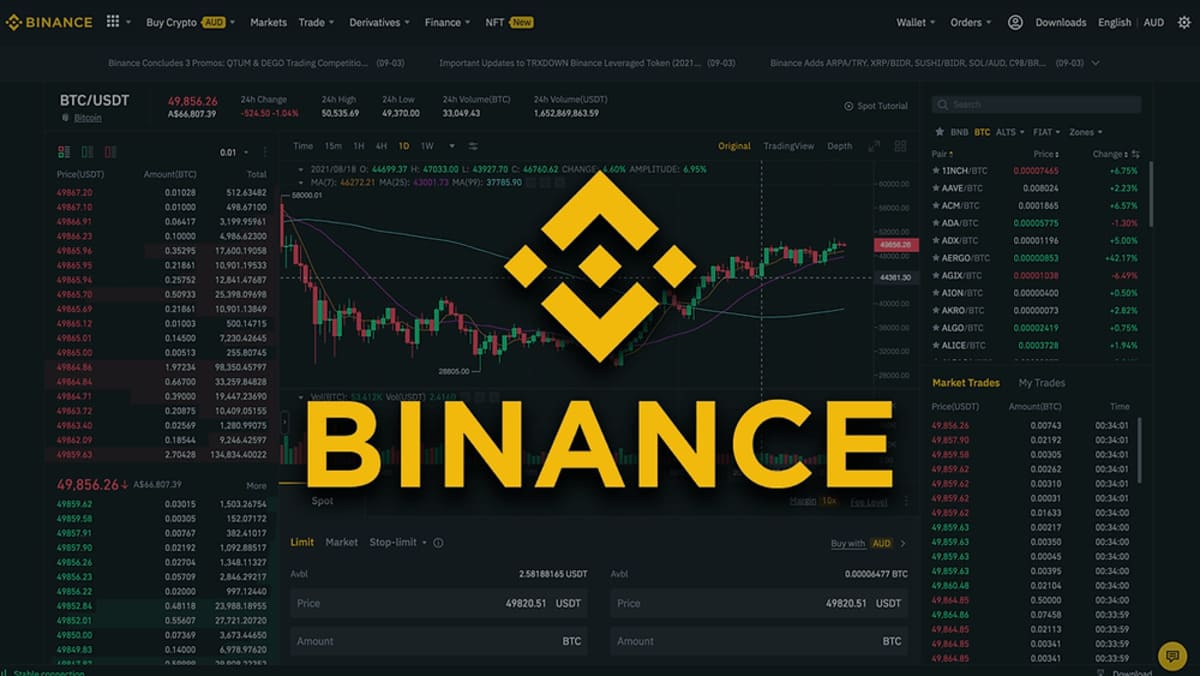
Binance, one of the world’s largest cryptocurrency exchanges, has become a popular platform for traders looking to buy, sell, and exchange digital assets. Understanding how Binance trading works can be crucial for both beginners and experienced investors aiming to maximize their profits while minimizing risks. At its core, Binance offers a user-friendly interface combined with advanced trading tools that cater to different levels of expertise.
Trading on Binance begins with creating an account and completing the necessary verification steps. Once registered, users can deposit funds in various cryptocurrencies or fiat money depending on their region. The platform supports a wide range of coins including Bitcoin (BTC), Ethereum (ETH), Binance Coin (BNB), and many altcoins. This diversity allows traders to explore multiple markets within one ecosystem.
One key feature of Binance is its spot trading market where how users typically interact with platforms can buy or sell cryptocurrencies at current market prices. For example, a trader named Sarah decided to invest in Ethereum when she noticed its price was dipping due to temporary market conditions. By purchasing ETH at a lower rate through spot trading, she later sold it after the price rebounded, making a profitable margin.
Another popular option is futures trading which involves contracts based on the future value of cryptocurrencies rather than immediate ownership. John, an experienced trader, uses Binance futures to speculate on Bitcoin’s price movements without actually holding BTC tokens. He employs leverage-borrowing funds from the platform-to amplify his potential gains but remains cautious since this also increases risk exposure significantly.
Binance also provides advanced order types such as limit orders and stop-limit orders that help users automate trades under specific conditions. For instance, Maria set up a stop-limit order for her Litecoin holdings so that if LTC dropped below $150 per coin, her assets would automatically be sold preventing further losses during volatile periods.
The platform’s security measures include two-factor authentication (2FA) and withdrawal whitelist features ensuring user accounts remain protected against unauthorized access or hacking attempts. Moreover, real-time charts powered by TradingView enable traders like Alex to perform technical analysis using indicators such as Moving Averages or Relative Strength Index (RSI).
In conclusion, Binance offers versatile trading options suitable for diverse strategies ranging from simple buying/selling in spot markets to sophisticated leveraged futures contracts backed by comprehensive tools and security protocols. Real user experiences illustrate how understanding these functionalities empowers individuals like Sarah who capitalized on market dips or John who navigated futures successfully while managing risks effectively within this dynamic crypto environment.