
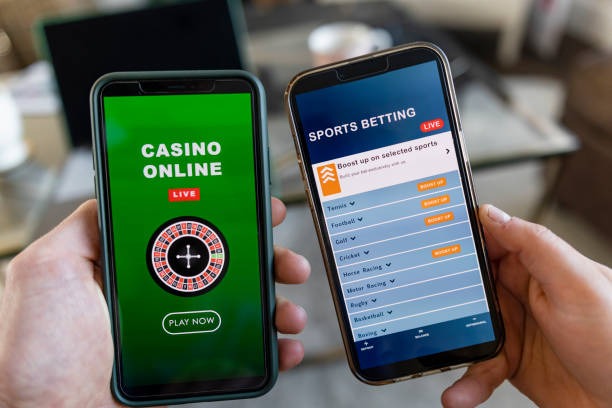
The Arabic online casino industry has witnessed remarkable growth over the past decade, driven by technological advancements, increasing internet penetration, and a growing interest in digital entertainment across the Middle East and North Africa (MENA) region. Despite regulatory challenges and cultural sensitivities surrounding gambling in many Arab countries, the demand for online casino platforms continues to rise steadily. This trend reflects a broader shift towards digital leisure activities among younger generations who seek convenient and engaging ways to enjoy gaming experiences from their homes.
One of the key factors contributing to the expansion of Arabic online casinos is the adaptation of platforms to cater specifically to Arabic-speaking users. Many operators now offer fully localized websites with Arabic language support, culturally relevant themes, and payment methods tailored to regional preferences. This localization enhances user experience by making navigation easier and fostering trust among players who might otherwise hesitate due to language barriers or unfamiliarity with international platforms.
Furthermore, mobile gaming plays a pivotal role in shaping the landscape of Arabic online casinos. With smartphone usage soaring throughout MENA countries, developers have prioritized creating mobile-friendly applications that allow seamless access to games anytime and anywhere. The convenience offered by mobile casinos aligns well with lifestyle trends in urban areas where on-the-go entertainment is highly valued.
However, legal restrictions present significant hurdles for both operators and players within this industry. Gambling laws vary widely across Arab nations; some countries enforce strict prohibitions against all forms of gambling while others adopt more lenient approaches or maintain ambiguous regulations concerning arab online casinos online betting activities. Consequently, many users resort to offshore platforms licensed outside their home jurisdictions but still providing services targeting Arabic customers. These arrangements pose risks related to security, fairness of games, as well as difficulties in dispute resolution when issues arise.
Despite these challenges, innovation remains strong among providers aiming at this market segment. Cryptocurrency integration has emerged as an attractive solution addressing concerns about anonymity and transaction safety under restrictive environments. Additionally, live dealer games featuring real-time interaction between players and dealers add authenticity that appeals deeply rooted social cultures valuing interpersonal engagement.
In conclusion, the Arabic online casino industry represents a dynamic sector characterized by rapid growth fueled by technological progress alongside complex socio-legal contexts unique to its region. Operators must continuously innovate while respecting cultural norms if they wish to succeed sustainably within this niche market space. As consumer demand evolves further toward immersive experiences backed by secure transactions accessible via smartphones or other devices,the future promises continued development albeit accompanied by ongoing regulatory scrutiny aimed at balancing commercial interests against societal values prevalent throughout Arab communities worldwide.