
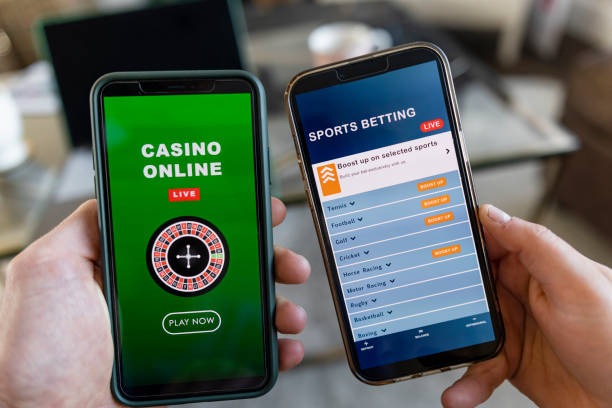
Online casinos have gained significant popularity worldwide, including in regions where gambling regulations are complex or restrictive. Kuwait is one such country where traditional forms of gambling are generally prohibited under local laws and cultural norms. However, the rise of internet accessibility has led many residents to explore online casino platforms despite legal ambiguities. Given this context, understanding key safety considerations related to online casinos in Kuwait becomes essential for anyone interested in participating responsibly and securely.
One of the foremost safety concerns involves legality. Gambling is largely illegal in Kuwait, which means that engaging with online casinos carries inherent risks from a legal standpoint. Users must be aware that accessing these sites may violate local laws, potentially leading to penalties or other consequences. Therefore, it is crucial for individuals to research and understand their country’s regulatory framework before engaging with any form of online gambling.
Another critical aspect is selecting reputable and licensed online casino operators. Since the market includes both legitimate businesses and fraudulent entities, players should verify whether a platform holds valid licenses from recognized authorities such as the Malta Gaming Authority (MGA), United Kingdom Gambling Commission (UKGC), or Curacao eGaming Commission. Licensed casinos adhere to strict standards regarding fairness, security, and responsible gaming practices which help protect users from scams or unfair treatment.
Data privacy represents an additional layer of concern when using online casinos in Kuwait. Players often need to provide sensitive personal information including identification documents and banking details online casinos in kuwait during registration or transactions. Ensuring that the chosen platform employs robust encryption methods like SSL certificates can safeguard this data against cyber threats such as hacking or identity theft.
Financial security also demands careful attention. Users should opt for payment methods known for reliability and security-such as reputable credit cards, e-wallets like PayPal or Skrill-and avoid sharing financial details on unverified platforms. Additionally, setting deposit limits and monitoring account activity regularly can prevent potential financial losses due to addiction or unauthorized access.
Responsible gaming measures are equally important given the addictive nature of gambling activities offered by online casinos. Players should look for websites that provide tools like self-exclusion options, deposit limits, reality checks, and links to support organizations dedicated to problem gambling prevention.
Finally, technical safety cannot be overlooked; maintaining updated antivirus software on devices used for accessing these sites helps mitigate risks posed by malware designed to steal information or disrupt operations.
In conclusion, while online casinos present entertainment opportunities even within restrictive environments like Kuwait’s, users must prioritize legality awareness alongside stringent safety protocols involving operator legitimacy verification, data protection measures, secure financial transactions, responsible gaming practices, and device security maintenance to ensure a safe experience overall.